The Middle Land

When Did Qing Dynasty Emperors Start Their Day?

1,713 Views

By Adam Miller

Add Your Heading Text Here

TV shows in China today give us an impression that emperors always led an extravagant and voluptuous life. 

That they were self-indulgent and possessed unbridled power over their people. Yet in history, most emperors bore little resemblance to the images presented on TV, especially those in the Qing Dynasty. Emperors were known for their diligence and devotion to duty. Then, what time did they get up to start their day?
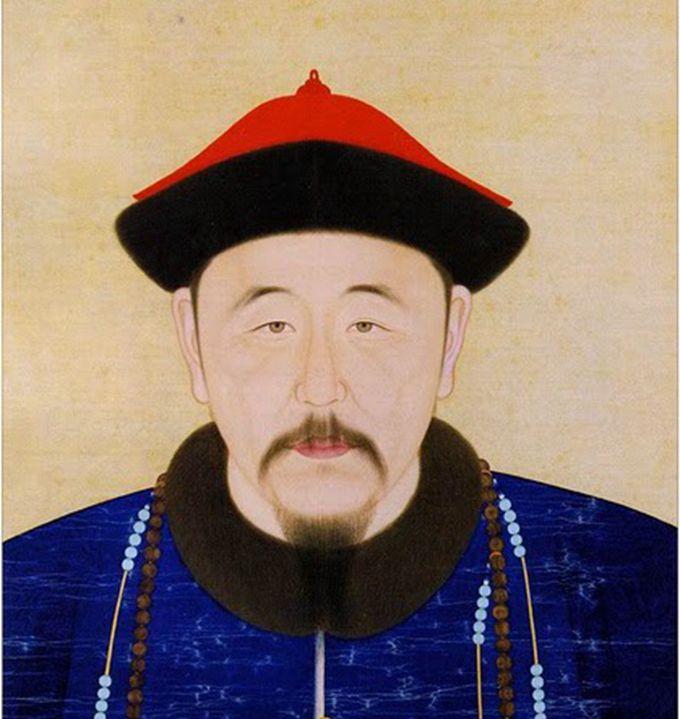
Well-known for his diligence, Emperor Kangxi was on throne for sixty years (1662-1722), and his region was among the longest in the world.

A familiar line in Chinese operas is, “Court officials go to court in the chill of daybreak at fifth Geng, or fifth watch of the night.” It implies that they had to get up at the fourth watch to attend the court at daybreak. There were five watches each night; thus fifth watch was from 5 am to 7 am, just before dawn. By the same token, emperors of the Qing Dynasty would have to get up at 4 am to hold the “early morning court” from 5 to 7 am and to process urgent reports from the officials.

The first thing the emperor had to do after getting up was to be dressed. An emperor could not choose what he wore. There were very strict rules on the fabric, style, color and ornamentation. His rigid dress codes differed from season, month, day and even the time of the day.
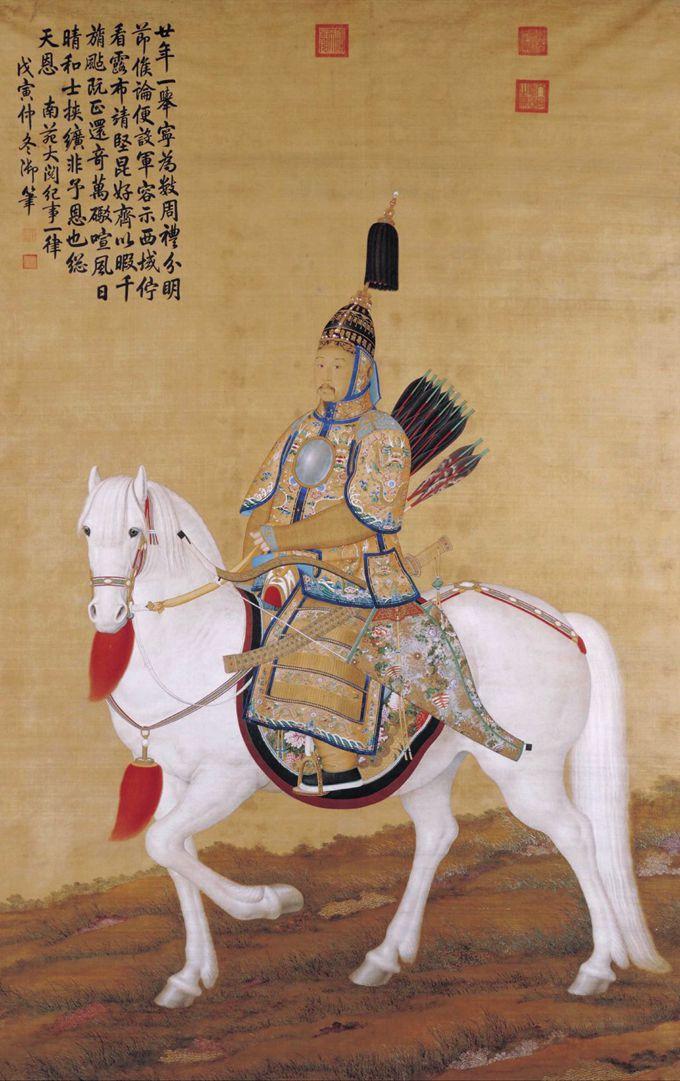
“Emperor Qianlong in Grand Military Parade” – Emperor Qianlong (1711-1799) inspected his Manchu army every three years. This picture was painted in 1739, the fourth year after he ascended the throne. In the painting, Emperor Qianglong is dressed in military uniform made for Manchu emperors, though used here as a ritual dress. The painting was produced by Giuseppe Castiglione (1688-1766), a famous court painter in the Qing Dynasty.

After being dressed, the emperor would then pay a visit to Cining Palace, or “Hall of Consolation of Mothers” to give his mother and grandmother daily regards and show filial piety and respect. The morning greeting was routinely followed by the morning reading, during which time the emperor would read Ancestral Warnings and Instructions from his predecessors, as well as Historical Records to learn how to rule the country.
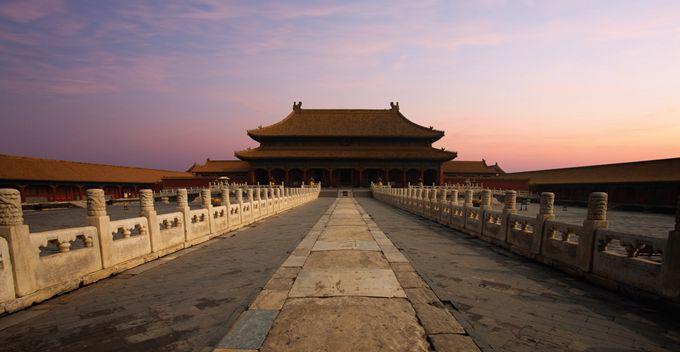
The state affairs an emperor dealt with were either routine or special matters. The former included receiving foreign ambassadors, granting approval for yearly executions of those on death row and so on, while the latter were special occasions such as coronations, the emperor’s birthday or imperial weddings.

The average lifespan of Ming emperors was 42 years, while Qing emperors enjoyed an average lifespan of 53 years. Emperors Kangxi and Qianlong of Qing Dynasty were long-lived emperors and each reigned for about 60 years.
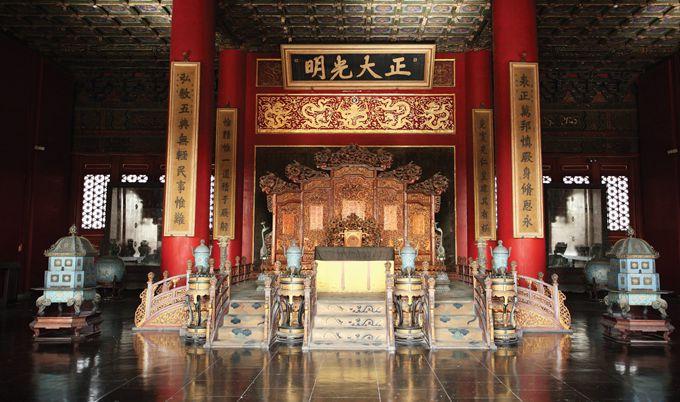
“Picture of Palace of Heavenly Purity, where Qing Dynasty emperors met with officials and foreign envoys. The words on the horizontal plaque reads “Just and Honorable.” It was written by the early Emperor Shunzhi (1638-1661). The plaque later became well-known as the emperor hid the name of his intended heir to the throne on the back.

Not only did emperors of the Qing Dynasty have a tight schedule, Qing officials were also in the habit of getting up early. Zeng Guofan, an eminent Han Chinese official and military general of the late Qing Dynasty, who served outside the Court, would get up before the daybreak, dress himself and sit for meditation for two hours. After daybreak, he would practice calligraphy by completing 100 Chinese characters in small regular script.

This diligent lifestyle was inherited from his ancestors. In the “Collection of Family Letters of Zeng Guofan,” Zeng commented, “In the past two centuries, virtuous emperors of our Qing Dynasty have made it a habit to get up at dawn, and so did my ancestors. My great-grandfather was said to be an early bird, and I witnessed my father and grandfather getting up every day when it was still dark. In cold winter, they would meditate for around two hours before dawn.”
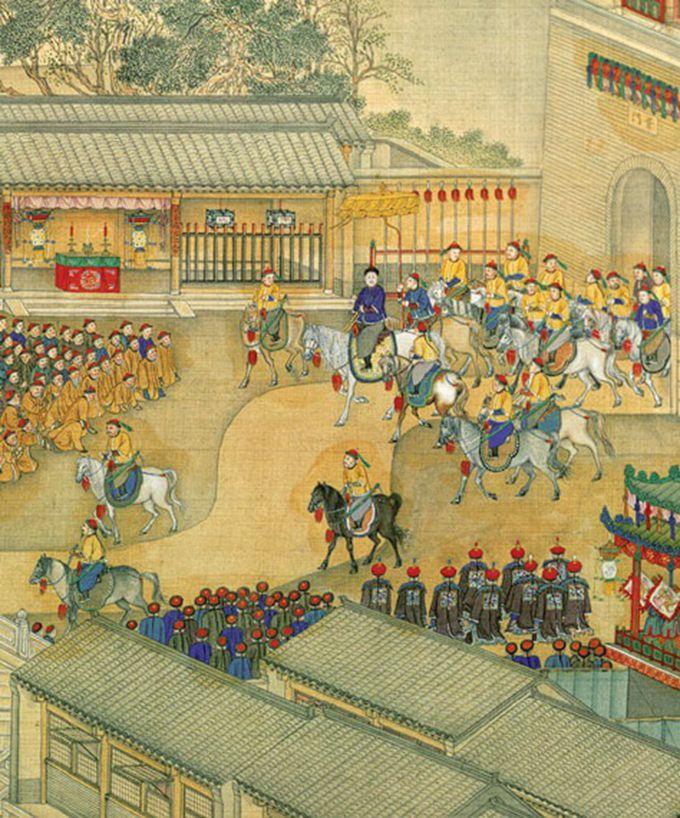
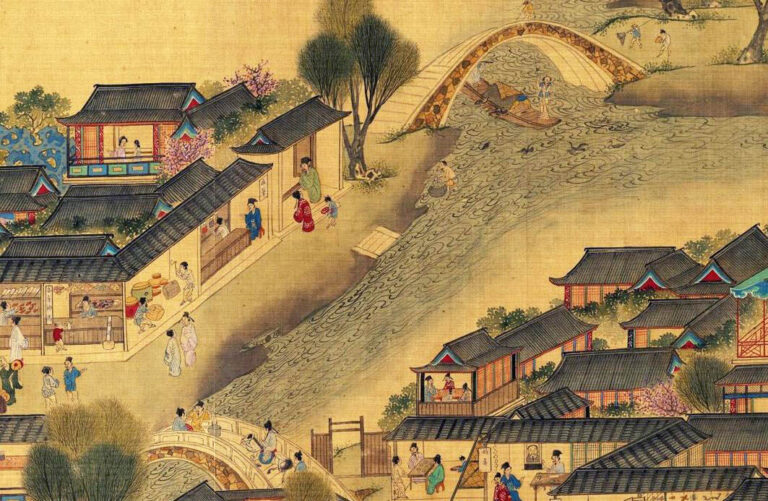
““Emperor Qianlong’s Southern Inspection Tour” (detail). In his lifetime, Emperor Qianlong did his southern inspection tour six times. He personally juxtaposed these tours with his westward military expansion as the two most important deeds in his lifetime. Whereas the western expansion enlarged the Empire’s territory, the southern inspection tours effectively strengthened the connections between the Manchu rulers and the Han literati, advancing economic and cultural developments within the Empire.

All emperors in the Qing Dynasty were hard-working, especially those in the early Qing period. They handled state affairs diligently with total dedication. The Manchu people, with only a population of several million, were able to rule the largest Asian empire for several centuries and brought the last glory to imperial China.

Article : Wei Zhang
Translation : Amy Lien
Photo : New San Cai

Tag

SubscribeNewsletter@2x
Refreshing and Insights
at No Cost to You!

Cancel anytime

One Response

  1. Pingback: ais fiber

Leave a Reply

One of the most remarkable examples of medieval Chinese Buddhist art is

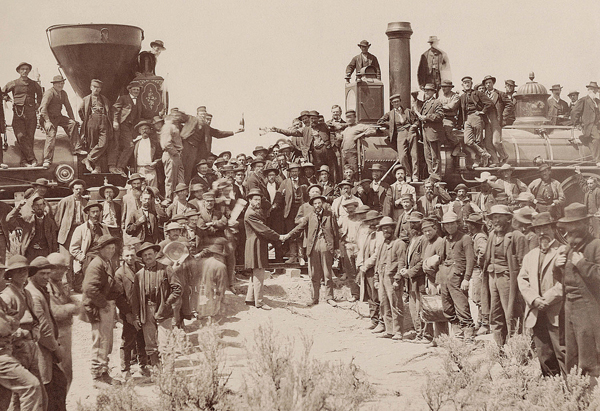
Back-to-back monster winters (1867 and 1868) paralyzed railroad construction over Donner Pass.

When a Speech Nearly Never Happened: The U.N. Session That Drew Unexpected

Margaret Thatcher (1925–2013), often remembered as the “Iron Lady,” remains one of

Art has the incredible power to evoke emotions, tell stories, and transport

“Painting has been my passion since childhood, and my parents were always

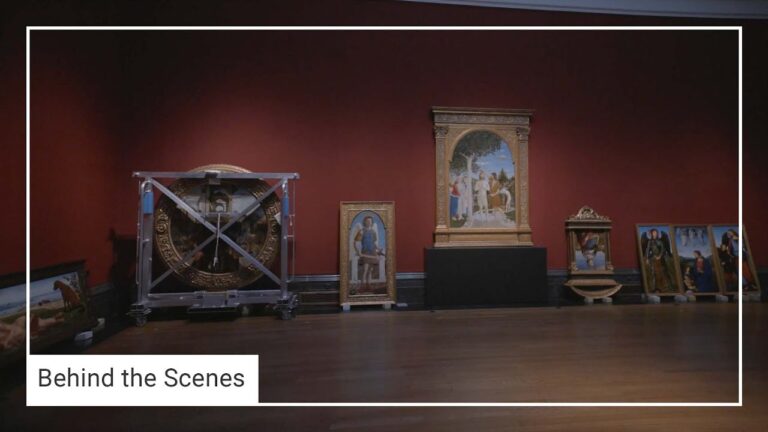
Curator Laura Llewellyn works with art handlers to arrange and hang a

A mother asks what she should say to her 9-year-old daughter who

Long before the rise of communism, photographers captured a China that few

Across the United States, some of the country’s most memorable destinations are

The Eiffel Tower in Paris. The Clock Tower of London. The Busy

Small old villages in United Kingdom are known for their historic charm,

From distant worlds at the edge of the Solar System to colossal

The Eiffel Tower in Paris. The Clock Tower of London. The Busy

The universe is far stranger — and more beautiful — than imagination

In what would have marked Queen Elizabeth II’s 100th birthday, King Charles

Did Ancient China Discover America Before Columbus?

A Former Flight Attendant Recounts Tiananmen Massacre in Beijing (Audio)

The Iron Lady’s Secret: Margaret Thatcher Leadership Advice

When Poetry Becomes a Cry of the Soul: The Meaning of “Un dì all’azzurro spazio” — and Franco Corelli’s Legendary Performance

What did a modern kitchen look like in the early 1950s? A

Let us take the three worst and most striking characteristics, patience, indifference

Psychology says the 1960s and 70s accidentally produced one of the most

I. Mellowness “CHARACTER” is a typically English word. Apart from the English,

In the dimly lit hall of the Stanton Center in Monterey, CA,

Margaret Thatcher (1925–2013), often remembered as the “Iron Lady,” remains one of

Few events of the late 20th century continue to provoke as much

[totalpoll id="62479"]
Cancel anytime

Contact us

The Middle Land

100 Wilshire Blvd., Suite 700 Santa Monica, CA 90401

Login Now

Sign in to your account

Don’t have an account? Sign Up

Don't have an account?

Sign up

Receive free monthly subscription & other benefits

Already have an account? Sign in

Already have an account?

To Editor

One of the most remarkable examples of medieval Chinese Buddhist art is

Back-to-back monster winters (1867 and 1868) paralyzed railroad construction over Donner Pass.

When a Speech Nearly Never Happened: The U.N. Session That Drew Unexpected

Margaret Thatcher (1925–2013), often remembered as the “Iron Lady,” remains one of

Art has the incredible power to evoke emotions, tell stories, and transport

“Painting has been my passion since childhood, and my parents were always

Curator Laura Llewellyn works with art handlers to arrange and hang a

A mother asks what she should say to her 9-year-old daughter who

Long before the rise of communism, photographers captured a China that few

Across the United States, some of the country’s most memorable destinations are

The Eiffel Tower in Paris. The Clock Tower of London. The Busy

Small old villages in United Kingdom are known for their historic charm,

From distant worlds at the edge of the Solar System to colossal

The Eiffel Tower in Paris. The Clock Tower of London. The Busy

The universe is far stranger — and more beautiful — than imagination

In what would have marked Queen Elizabeth II’s 100th birthday, King Charles

Did Ancient China Discover America Before Columbus?

A Former Flight Attendant Recounts Tiananmen Massacre in Beijing (Audio)

The Iron Lady’s Secret: Margaret Thatcher Leadership Advice

When Poetry Becomes a Cry of the Soul: The Meaning of “Un dì all’azzurro spazio” — and Franco Corelli’s Legendary Performance

What did a modern kitchen look like in the early 1950s? A

Let us take the three worst and most striking characteristics, patience, indifference

Psychology says the 1960s and 70s accidentally produced one of the most

I. Mellowness “CHARACTER” is a typically English word. Apart from the English,

In the dimly lit hall of the Stanton Center in Monterey, CA,

Margaret Thatcher (1925–2013), often remembered as the “Iron Lady,” remains one of

Few events of the late 20th century continue to provoke as much

Forget Password

Please enter your email id or user name to recover your password
[reset_password]

Login to Vote!

Thank you for your participation, please Log in or Sign up to Vote

Don’t have an account?

Login to Comment

Thank you for your participation, please Log in or Sign up to Comment
Forgot Password?

Don't have an account?

One Response

  1. Pingback: ais fiber

Leave a Reply

Thank you for your subscription!