Home | The Speech China Tried to Stop: What Happened Inside the U.N. Human Rights Council?
The Speech China Tried to Stop: What Happened Inside the U.N. Human Rights Council?
By Rafael Bello
- Los Angeles, CA
Add Your Heading Text Here
When a Speech Nearly Never Happened: The U.N. Session That Drew Unexpected Attention
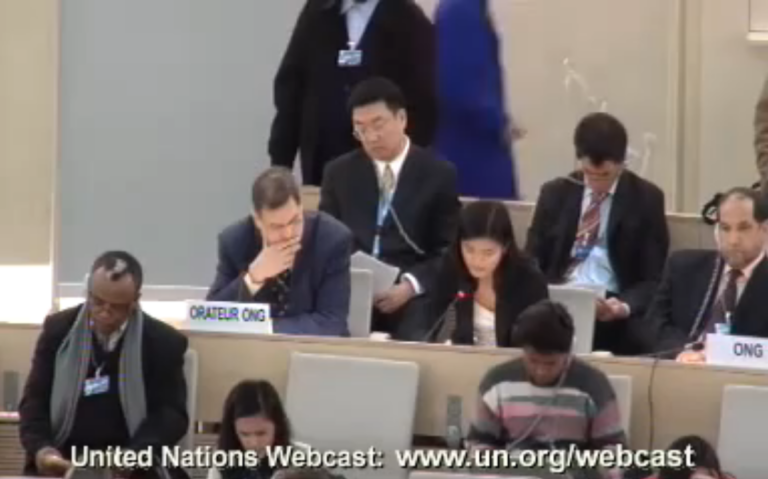
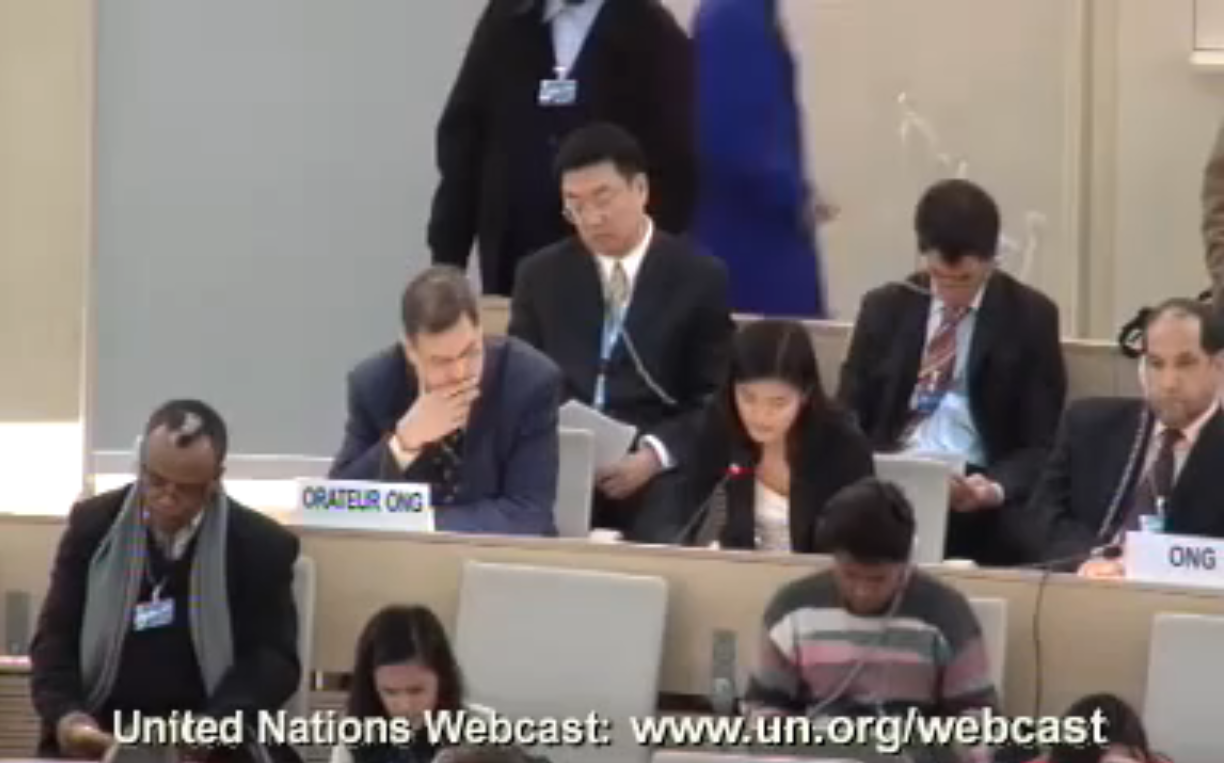
GENEVA — What began as a routine intervention before the United Nations Human Rights Council turned into a dramatic confrontation over freedom of expression, procedural challenges, and allegations of human rights abuses in China.
On March 15, Chen Shizhong of the United Nations Association, San Diego Chapter, appeared before the Council to present concerns regarding the treatment of Falun Gong practitioners in China. According to those present, what followed was an unusual series of procedural objections from the Chinese delegation that delayed Chen’s remarks for more than an hour.
The objections began with questions regarding Chen’s credentials and eligibility to speak. After his status was verified, additional concerns were raised regarding procedural matters and the relevance of the subject he intended to address. The repeated interventions created a prolonged delay, drawing increasing attention from observers and delegates inside the chamber.
As the discussion continued, representatives from other countries became involved. According to reports from the session, the president of the Human Rights Council ruled that issues concerning human rights fell within the scope of the meeting. The U.S. delegation also objected to efforts to block the presentation before its contents had even been delivered, arguing that the speaker should be allowed to proceed.
Ironically, the extended delay appeared to increase interest in the event. As word spread throughout the building, more attendees entered the chamber. By the time Chen was finally permitted to speak, much of the room was filled and the audience reportedly listened in silence.
During his address, Chen cited reports from United Nations Special Rapporteurs and alleged that Falun Gong practitioners had been subjected to severe forms of torture and mistreatment. He further claimed that some victims had been administered substances intended to damage cognitive functions and undermine their ability to maintain their beliefs. These allegations have been strongly denied by Chinese authorities, who reject accusations of systematic persecution.
Chen urged the international community to investigate the claims and to speak out against what he described as serious violations of human dignity and freedom of conscience. His remarks prompted interest from several attendees, some of whom reportedly requested copies of his speech and additional information after the session concluded.
The event also drew reactions from other participants. Human rights advocates attending the meeting expressed concern about attempts to limit discussion of controversial topics, while supporters of the Chinese government’s position have historically argued that allegations related to Falun Gong are politically motivated and do not accurately reflect conditions within the country.
Regardless of one’s perspective, the session highlighted an enduring question confronting international institutions: how should allegations of human rights abuses be examined when political sensitivities collide with calls for public scrutiny?
More than a procedural dispute, the meeting became a reminder that debates over human rights, freedom of belief, and international accountability remain among the most contested issues before the United Nations today.
This video is part one of a seven-part series. Viewers interested in the topic can find the remaining six episodes on the channel, offering additional perspectives, testimony, and historical context.
🎥 Watch the video below to see the events surrounding this remarkable U.N. session and hear the testimony that sparked an hour-long controversy inside the Human Rights Council.
Part two:
Tag