Home | When Poetry Becomes a Cry of the Soul: The Meaning of “Un dì all’azzurro spazio” — and Franco Corelli’s Legendary Performance
When Poetry Becomes a Cry of the Soul: The Meaning of “Un dì all’azzurro spazio” — and Franco Corelli’s Legendary Performance
By Rafael Bello
- Los Angeles, CA
Add Your Heading Text Here
When Poetry Becomes a Cry of the Soul: The Meaning of “Un dì all’azzurro spazio” — and Franco Corelli’s Legendary Performance
Few operatic arias strike with the emotional force of “Un dì all’azzurro spazio” from Andrea Chénier. More than a beautiful melody, it is a declaration — a cry against hypocrisy, suffering, and the loss of human compassion.
In this pivotal scene, the poet Andrea Chénier responds to mockery by revealing what love truly means to him. Looking upon nature, sunlight, and his homeland, he is overwhelmed by beauty — only to confront the harsh realities of poverty, injustice, hunger, and spiritual emptiness hidden beneath society’s polished surface.
The aria moves from lyrical wonder to moral outrage, culminating in a passionate defense of love as the soul of life itself. Here, love is not sentimental romance alone — it is truth, humanity, conscience, and the divine spark that gives meaning to existence.
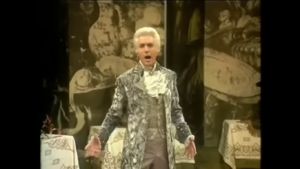
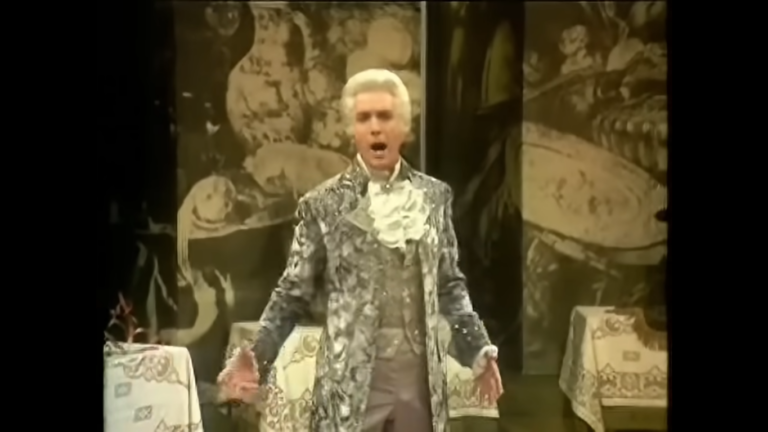
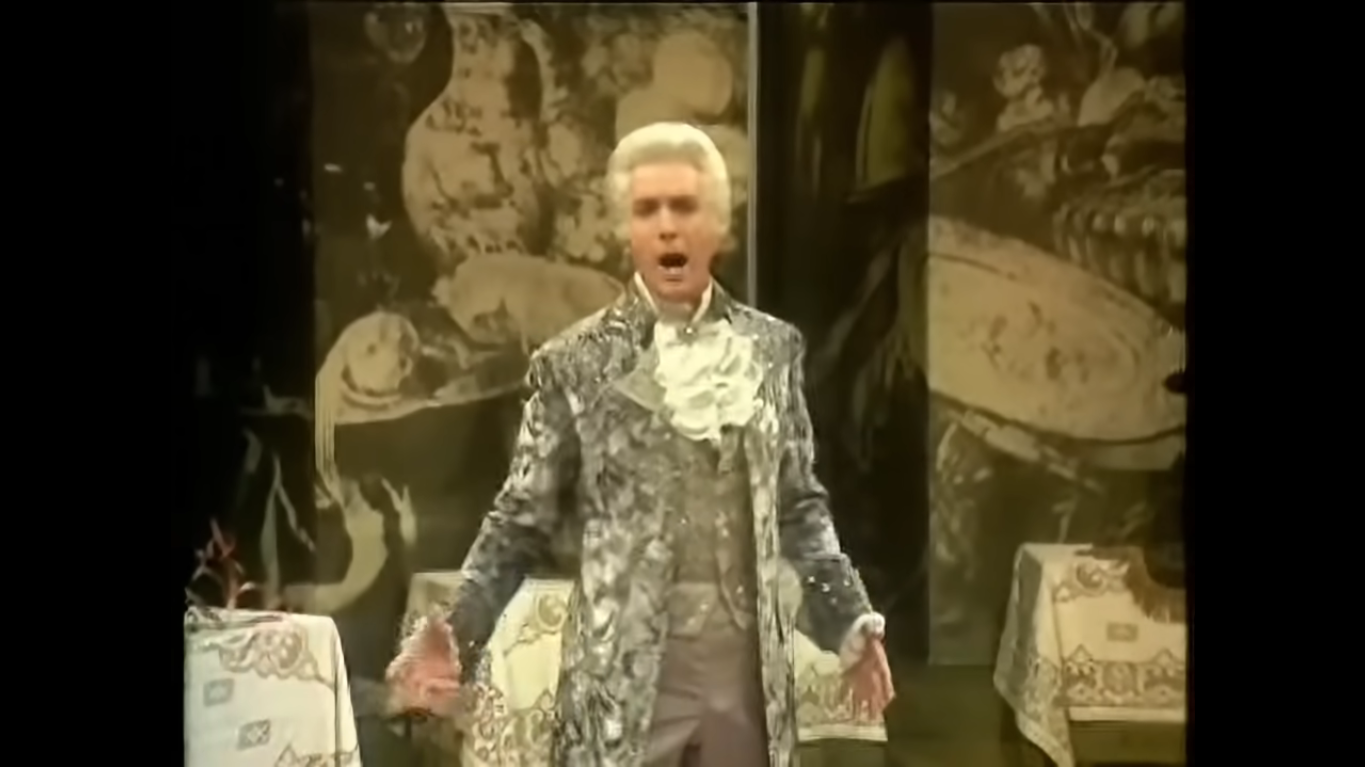
And few voices have delivered this journey with greater intensity than Franco Corelli. With blazing high notes, heroic power, and extraordinary emotional depth, Corelli transforms “Un dì all’azzurro spazio” into something unforgettable — an experience that feels less like listening to music and more like witnessing a soul laid bare.
Lyrics:
Watch the video below and discover why this aria remains one of opera’s most powerful expressions of beauty, suffering, and the eternal search for truth.
| Italiano (Originale) | English Translation |
|---|---|
| Colpito qui m’avete ov’io geloso celo il più puro palpitar dell’anima. | You have struck me here, where I jealously conceal the purest beating of my soul. |
| Or vedrete, fanciulla, qual poema è la parola “Amor,” qui causa di scherno! | Now you shall see, young lady, what a poem the word “Love” truly is — here made the object of mockery! |
| Un dì all’azzurro spazio guardai profondo, | One day I gazed deeply into the boundless blue sky, |
| e ai prati colmi di viole, | and upon the meadows filled with violets, |
| pioveva l’oro il sole, | the sun rained down its golden light, |
| e folgorava d’oro il mondo; | and the whole world blazed with gold; |
| parea la terra un immane tesoro, | the earth seemed an immeasurable treasure, |
| e a lei serviva di scrigno il firmamento. | and the heavens themselves were its jeweled casket. |
| Su dalla terra alla mia fronte veniva una carezza viva, un bacio. | From the earth rose toward my brow a living caress, a kiss. |
| Gridai, vinto d’amor: | Overcome by love, I cried out: |
| “T’amo, tu che mi baci, divinamente bella, o patria mia!” | “I love you — you who kiss me, divinely beautiful, O my homeland!” |
| E volli, pien d’amore, pregar! | And, filled with love, I wished to pray! |
| Varcai d’una chiesa la soglia; | I crossed the threshold of a church; |
| là un prete nelle nicchie dei santi e della Vergine accumulava doni… | there a priest, before the saints and the Virgin, was piling up offerings… |
| e al sordo orecchio un tremulo vegliardo invano chiedeva pane, | while beside deaf ears, a trembling old man begged in vain for bread, |
| e invan stendeva la mano! | stretching out his hand in vain! |
| Varcai degli abituri l’uscio; | I entered the doorway of poor dwellings; |
| un uom vi calunniava bestemmando il suolo | there, a man cursed the very soil, |
| che l’erario a pena sazia, | which barely satisfied the tax collector, |
| e contro a Dio scagliava, e contro agli uomini, le lagrime dei figli. | and hurled against God — and against mankind — the tears of his children. |
| In cotanta miseria la patrizia prole, che fa? | Amid such misery, what does noble society do? |
| Sol l’occhio vostro esprime umanamente qui un guardo di pietà, | Only your eyes express, here, a truly human look of compassion, |
| ond’io guardato ho a voi sì come a un angelo. | and thus I looked upon you as one would upon an angel. |
| E dissi: “Ecco la bellezza della vita!” | And I said: “Behold — this is the beauty of life!” |
| Ma poi, alle vostre parole, un novello dolor m’ha colto in pieno petto… | But then, at your words, a new sorrow struck me deep within my chest… |
| O giovinetta bella, d’un poeta non disprezzate il detto: | O beautiful young lady, do not scorn the words of a poet: |
| Udite! Non conoscete amor, | Listen! You do not know love, |
| amor, divino dono, non lo schernir; | love — the divine gift — do not mock it; |
| del mondo anima e vita è l’Amor! | Love is the soul and the life of the world! |
Tag