The Middle Land

Portraying the Human Figure

51 Views

By Staff Middle Land

"If you’ve been waiting for an invitation, this calligraphy is it. Commissioned by Facebook, this is a hand-lettered design for a poster. Quote is Facebook mine "

- Massimo Vignelli

Add Your Heading Text Here

There is nothing our minds are more scrutinizing of, or more attuned to than the human figure. Through our physical appearance and expressions, we receive volumes of information about a person in one glance. The dissemination of that information and interpretation of it is almost as automatic as breathing for us.

When we see the human figure portrayed in a certain way, either in life, in advertising, or in images as we are growing up, it shapes our views about humanity in a subconscious way. These pathways in our minds become cemented.

In Ancient Greece, the human body (soma) had been viewed as a vessel to house the soul (psyche). The body and mind were viewed as being inextricably linked. The internal world of a person, the spirit within, was revealed by their external body. Likewise, the external body had an effect on a person’s spirit.

The ancient Greeks strove for an external perfection in their arts to better consecrate internal perfection. They focused heavily on perfectly portraying the human figure in their statues and art. During the Classical era (500 – 300 B.C.), their arts portrayed the human figure with poised and dignified expressions. The intent being to promote emotional restraint and offer a sense of calm which in turn would elevate the spirit.

Bronze statue of Artemis in the Archaeological Museum of Piraeus (Athens), mid-4th century. Classical Era.


The wedding of Thetis, pyxis by the Wedding Painter, circa 470/460 BCE. Paris: Louvre. Classical Era.


During the Hellenic era following directly after, artists and sculptors began twisting and contorting their figures aggressively, focusing on unrestrained emotions and wild depictions of the human figure. The intent being to shock the viewer. Greek civilization thereafter emphasized delving into passions. As a result, its political and cultural landscape had become corrupted.

Laocoon group, by Hagesandros, Athanadoros and Polydoros, Rhodian artists, c. 170–150 BC. Hellenic Era.
The Barberini Faun, 2nd century BC. Unknown Hellenic Era artist

With the above examples, we see two distinct eras and what they viewed as the purpose of human life. The Classical era portrayed in their figures a happiness they pursued defined as eudaimonic. Eudaimonic happiness is defined as contentment that comes through assimilating to the three principles or characteristics that make up the cosmos, truth, beauty, and goodness. It encompasses the refinement of one’s character to better oneself and society at large. If one did not conduct oneself well, it would wound others and create a hostile environment. In their arts, they took this philosophy seriously and made sure everything reflected goodness.

During the Hellenic era which started directly after the death of Alexander the Great in 323 B.C. and the splintering of Greek society and culture, hedonic happiness was pursued and portrayed as the meaning of human life. Hedonic happiness means indulging in carnal pursuits or seeing life as a means to rise and reach fulfillment through wealth, fame, power, and gratification through indulging in emotions and passions.

The arts and stories of this era clearly displayed their pursuit of hedonic happiness. This led to distrust, greed, and self-centeredness pervading society. If more of society puts its emphasis on hedonic pursuits, the less one would be able to, or feel they could confide in others, the less they would feel others would be trustworthy. Society would break down.

In an artist’s portrayal of the human figure, they inevitably reveal their inner world. Though when one takes their civic responsibilities seriously and considers the effect their art may have on the world, they can elevate both their own spirit and society at large if they portray the human figure in a dignified and morally responsible way.




Tag

SubscribeNewsletter@2x
Refreshing and Insights
at No Cost to You!

Cancel anytime

One Response

Leave a Reply

One of the most remarkable examples of medieval Chinese Buddhist art is

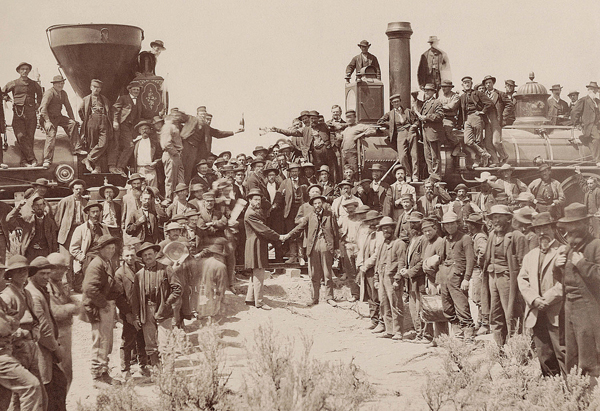
Back-to-back monster winters (1867 and 1868) paralyzed railroad construction over Donner Pass.

When a Speech Nearly Never Happened: The U.N. Session That Drew Unexpected

Margaret Thatcher (1925–2013), often remembered as the “Iron Lady,” remains one of

Art has the incredible power to evoke emotions, tell stories, and transport

“Painting has been my passion since childhood, and my parents were always

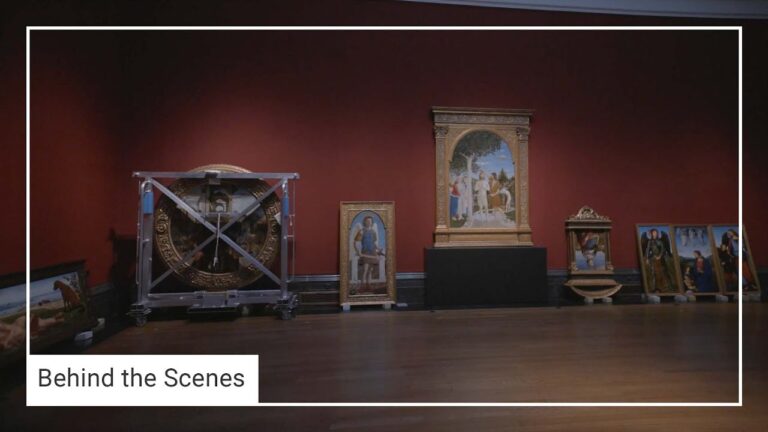
Curator Laura Llewellyn works with art handlers to arrange and hang a

A mother asks what she should say to her 9-year-old daughter who

Long before the rise of communism, photographers captured a China that few

Across the United States, some of the country’s most memorable destinations are

The Eiffel Tower in Paris. The Clock Tower of London. The Busy

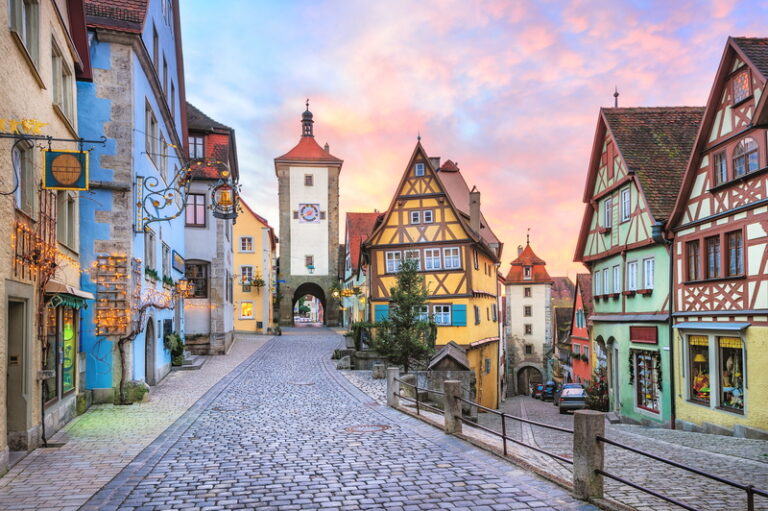
Small old villages in United Kingdom are known for their historic charm,

From distant worlds at the edge of the Solar System to colossal

The Eiffel Tower in Paris. The Clock Tower of London. The Busy

The universe is far stranger — and more beautiful — than imagination

In what would have marked Queen Elizabeth II’s 100th birthday, King Charles

Did Ancient China Discover America Before Columbus?

A Former Flight Attendant Recounts Tiananmen Massacre in Beijing (Audio)

The Iron Lady’s Secret: Margaret Thatcher Leadership Advice

When Poetry Becomes a Cry of the Soul: The Meaning of “Un dì all’azzurro spazio” — and Franco Corelli’s Legendary Performance

What did a modern kitchen look like in the early 1950s? A

Let us take the three worst and most striking characteristics, patience, indifference

Psychology says the 1960s and 70s accidentally produced one of the most

I. Mellowness “CHARACTER” is a typically English word. Apart from the English,

In the dimly lit hall of the Stanton Center in Monterey, CA,

Margaret Thatcher (1925–2013), often remembered as the “Iron Lady,” remains one of

Few events of the late 20th century continue to provoke as much

[totalpoll id="62479"]
Cancel anytime

Contact us

The Middle Land

100 Wilshire Blvd., Suite 700 Santa Monica, CA 90401

Login Now

Sign in to your account

Don’t have an account? Sign Up

Don't have an account?

Sign up

Receive free monthly subscription & other benefits

Already have an account? Sign in

Already have an account?

To Editor

One of the most remarkable examples of medieval Chinese Buddhist art is

Back-to-back monster winters (1867 and 1868) paralyzed railroad construction over Donner Pass.

When a Speech Nearly Never Happened: The U.N. Session That Drew Unexpected

Margaret Thatcher (1925–2013), often remembered as the “Iron Lady,” remains one of

Art has the incredible power to evoke emotions, tell stories, and transport

“Painting has been my passion since childhood, and my parents were always

Curator Laura Llewellyn works with art handlers to arrange and hang a

A mother asks what she should say to her 9-year-old daughter who

Long before the rise of communism, photographers captured a China that few

Across the United States, some of the country’s most memorable destinations are

The Eiffel Tower in Paris. The Clock Tower of London. The Busy

Small old villages in United Kingdom are known for their historic charm,

From distant worlds at the edge of the Solar System to colossal

The Eiffel Tower in Paris. The Clock Tower of London. The Busy

The universe is far stranger — and more beautiful — than imagination

In what would have marked Queen Elizabeth II’s 100th birthday, King Charles

Did Ancient China Discover America Before Columbus?

A Former Flight Attendant Recounts Tiananmen Massacre in Beijing (Audio)

The Iron Lady’s Secret: Margaret Thatcher Leadership Advice

When Poetry Becomes a Cry of the Soul: The Meaning of “Un dì all’azzurro spazio” — and Franco Corelli’s Legendary Performance

What did a modern kitchen look like in the early 1950s? A

Let us take the three worst and most striking characteristics, patience, indifference

Psychology says the 1960s and 70s accidentally produced one of the most

I. Mellowness “CHARACTER” is a typically English word. Apart from the English,

In the dimly lit hall of the Stanton Center in Monterey, CA,

Margaret Thatcher (1925–2013), often remembered as the “Iron Lady,” remains one of

Few events of the late 20th century continue to provoke as much

Forget Password

Please enter your email id or user name to recover your password
[reset_password]

Login to Vote!

Thank you for your participation, please Log in or Sign up to Vote

Don’t have an account?

Login to Comment

Thank you for your participation, please Log in or Sign up to Comment
Forgot Password?

Don't have an account?

One Response

Leave a Reply

Thank you for your subscription!